More Than a Holiday: Remembering,
Honoring, and Planning
The celebration of Dr. Martin Luther King Jr.
should never be reduced to a soundbite, a
parade, or a convenient day off from work.
This day carries the weight of sacrifice, blood,
courage, and moral conviction. It demands
more of us than polite remembrance. It calls
us to reflection, responsibility, and resolve.
One of my favorite quotes by Dr. King
captures this call beautifully and personally:
“If I can help someone as I pass along –
If I can cheer someone with a word or a song –
If I can show someone that they are traveling wrong,
then my living has not been in vain.
If I can do my duty as a Christian,
If I can teach the word that the Master once taught,
If I can help to bring salvation to a world once lost,
then my living has not been in vain.”
Dr. King reminds us that purpose is not found in comfort, applause, or symbolic gestures, but
in service, truth-telling, and moral courage. His words compel us to ask a difficult question:
What does it mean to live a life that has not been in vain—today?
Years ago, I was invited to be the keynote speaker at a predominantly Caucasian church in
Palm Springs for their MLK celebration. Before accepting, I presented two ultimatums that
surprised my inviter. First, there would be no singing of “Kumbaya.” Second, there would be
no singing of “We Shall Overcome.” She paused, clearly taken aback, but agreed. Then she
asked, “May I ask why?” I responded, “By all means.”
My answer was simple but unsettling. I said that Dr. King would not be pleased that more
than fifty years after his assassination, minorities in America are still singing about
overcoming many of the same injustices he fought against—inequity, discrimination, voter
suppression, economic disparity, and unequal treatment under the law. Progress has been
made, yes—but unresolved injustice remains.
As for “Kumbaya,” I believe the song has become a kind of emotional placeholder—a soft,
comforting moment that allows people, particularly those on the margins of the struggle, to
feel good without being changed. For communities that are not daily exposed to racism,
bigotry, marginalization, or systemic inequity, such moments can feel sufficient. But for those
who live in the line of fire—immigrants, the poor, the incarcerated, the disenfranchised—
comfort without action is not liberation.
This is not a feel-good holiday. It rests on the shoulders of those who were beaten, jailed, and
killed. It is stained with the blood of four little girls in Birmingham, the violence of Bloody
Sunday, and the countless unnamed bodies and broken spirits sacrificed for justice to move
even an inch forward. To soften this day is to dishonor them.
Therefore, we must do better than remembrance alone. We must enter this holiday with
intentionality—to remember, honor, and plan.
We remember those who were willing to give their lives for the cause of justice.
We honor the determination and discipline required to endure suffering for long-term change.
And we plan—strategically.
Too often, we are reactionary rather than proactive. Yet Dr. King was deeply strategic. The
Montgomery Bus Boycott was not accidental—it was organized, calculated, and sustained.
Poor people, domestic workers, laborers, and students committed themselves to collective
discipline for over a year. That was not an emotional protest; that was intentional resistance.
Today, strategic planning must confront the realities of our time. Immigration policies that
dehumanize families. Government decisions that marginalize the poor while protecting
privilege. Systems that perpetuate inequity in housing, education, healthcare, and criminal
justice. Voter suppression that weakens democracy. Mass incarceration that devastates entire
communities.
In this moment—politically, socially, morally—we cannot afford to sit back and sing
comforting songs while injustice marches forward. Dr. King did not give his life for
symbolism; he gave it for transformation.
This holiday must remind us that we are not spectators of history—we are participants in
it. We are the agents of change. The question is not whether injustice exists, but whether we
will confront it with courage, compassion, and commitment.
If Dr. King’s life teaches us anything, it is that faith without action is empty, remembrance
without responsibility is hollow, and celebration without strategy is incomplete. May we honor
his legacy not only with our words, but with our willingness to act—so that when our time of
life is over, our living will not have been in vain.
Rev. Dr. Tahlib McMicheaux
Regional Resource Minister | Black Church Ministries
Honoring, and Planning
The celebration of Dr. Martin Luther King Jr.
should never be reduced to a soundbite, a
parade, or a convenient day off from work.
This day carries the weight of sacrifice, blood,
courage, and moral conviction. It demands
more of us than polite remembrance. It calls
us to reflection, responsibility, and resolve.
One of my favorite quotes by Dr. King
captures this call beautifully and personally:
“If I can help someone as I pass along –
If I can cheer someone with a word or a song –
If I can show someone that they are traveling wrong,
then my living has not been in vain.
If I can do my duty as a Christian,
If I can teach the word that the Master once taught,
If I can help to bring salvation to a world once lost,
then my living has not been in vain.”
Dr. King reminds us that purpose is not found in comfort, applause, or symbolic gestures, but
in service, truth-telling, and moral courage. His words compel us to ask a difficult question:
What does it mean to live a life that has not been in vain—today?
Years ago, I was invited to be the keynote speaker at a predominantly Caucasian church in
Palm Springs for their MLK celebration. Before accepting, I presented two ultimatums that
surprised my inviter. First, there would be no singing of “Kumbaya.” Second, there would be
no singing of “We Shall Overcome.” She paused, clearly taken aback, but agreed. Then she
asked, “May I ask why?” I responded, “By all means.”
My answer was simple but unsettling. I said that Dr. King would not be pleased that more
than fifty years after his assassination, minorities in America are still singing about
overcoming many of the same injustices he fought against—inequity, discrimination, voter
suppression, economic disparity, and unequal treatment under the law. Progress has been
made, yes—but unresolved injustice remains.
As for “Kumbaya,” I believe the song has become a kind of emotional placeholder—a soft,
comforting moment that allows people, particularly those on the margins of the struggle, to
feel good without being changed. For communities that are not daily exposed to racism,
bigotry, marginalization, or systemic inequity, such moments can feel sufficient. But for those
who live in the line of fire—immigrants, the poor, the incarcerated, the disenfranchised—
comfort without action is not liberation.
This is not a feel-good holiday. It rests on the shoulders of those who were beaten, jailed, and
killed. It is stained with the blood of four little girls in Birmingham, the violence of Bloody
Sunday, and the countless unnamed bodies and broken spirits sacrificed for justice to move
even an inch forward. To soften this day is to dishonor them.
Therefore, we must do better than remembrance alone. We must enter this holiday with
intentionality—to remember, honor, and plan.
We remember those who were willing to give their lives for the cause of justice.
We honor the determination and discipline required to endure suffering for long-term change.
And we plan—strategically.
Too often, we are reactionary rather than proactive. Yet Dr. King was deeply strategic. The
Montgomery Bus Boycott was not accidental—it was organized, calculated, and sustained.
Poor people, domestic workers, laborers, and students committed themselves to collective
discipline for over a year. That was not an emotional protest; that was intentional resistance.
Today, strategic planning must confront the realities of our time. Immigration policies that
dehumanize families. Government decisions that marginalize the poor while protecting
privilege. Systems that perpetuate inequity in housing, education, healthcare, and criminal
justice. Voter suppression that weakens democracy. Mass incarceration that devastates entire
communities.
In this moment—politically, socially, morally—we cannot afford to sit back and sing
comforting songs while injustice marches forward. Dr. King did not give his life for
symbolism; he gave it for transformation.
This holiday must remind us that we are not spectators of history—we are participants in
it. We are the agents of change. The question is not whether injustice exists, but whether we
will confront it with courage, compassion, and commitment.
If Dr. King’s life teaches us anything, it is that faith without action is empty, remembrance
without responsibility is hollow, and celebration without strategy is incomplete. May we honor
his legacy not only with our words, but with our willingness to act—so that when our time of
life is over, our living will not have been in vain.
Rev. Dr. Tahlib McMicheaux
Regional Resource Minister | Black Church Ministries

BLACK HISTORY MONTH EVENTS

Opportunities within ABCOFLASH…
Second Baptist Church of Los Angeles
Sunday, February 23rd at 1:30 pm
Second Baptist Church and Our Authors Study Club will host a special screening of the movie, “
.” This is a story of the African American Migration to the West between 1940 and 1970. This event will be held at Second Baptist Church of Los Angeles, 2412 Griffith Avenue, Los Angeles, CA.
Park Windsor Baptist Church Los Angeles
Sunday, February 23, 2025 at 4:00 p.m.
Come join us as we celebrate by experiencing a Black History play called "Songs in A Strange Land" at Knox Presbyterian Church, 5840 La Tijera Blvd, Los Angeles, CA 90056.

Who we are: Black Church Ministries is a fellowship of more than 30 churches that are member churches of the ABCOFLASH region. Following leadership changes in the last several years, this ministry within the ABCOFLASH region was dormant for 15 years. Under the new leadership of Rev. Andy Quient, Executive Minister, and Dr. Tahlib McMicheaux, Regional Resource Minister for Black Church Ministries, we have formed a new board to address the needs of the Black churches within our region.
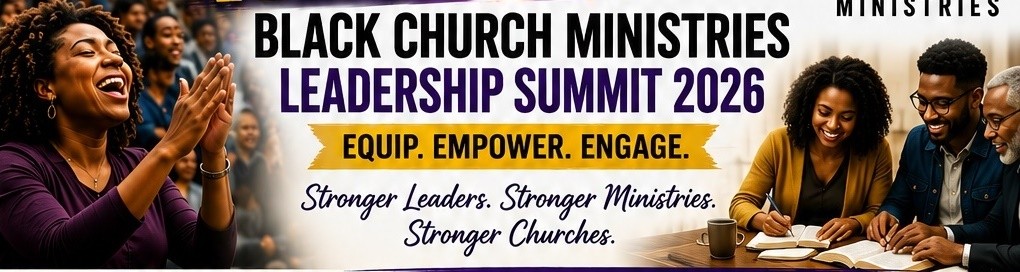
What we do: The Black Church Ministries aims to assist pastors and churches in growing, developing, and expanding their ministry base within their cultural context. We have various programs planned to support church ministry – leadership, Sunday school, and discipleship training, and we plan to have retreats for pastors and a Juneteenth Celebration.
Where God is leading us: We seek to initiate a new and renewed relationship with the Black churches in our region. We pray that you will join us as we seek to strengthen the relationship with ABCOFLASH.
Life and Work with John L. Jefferson of Del Aire Baptist Church of Hawthorne read more